
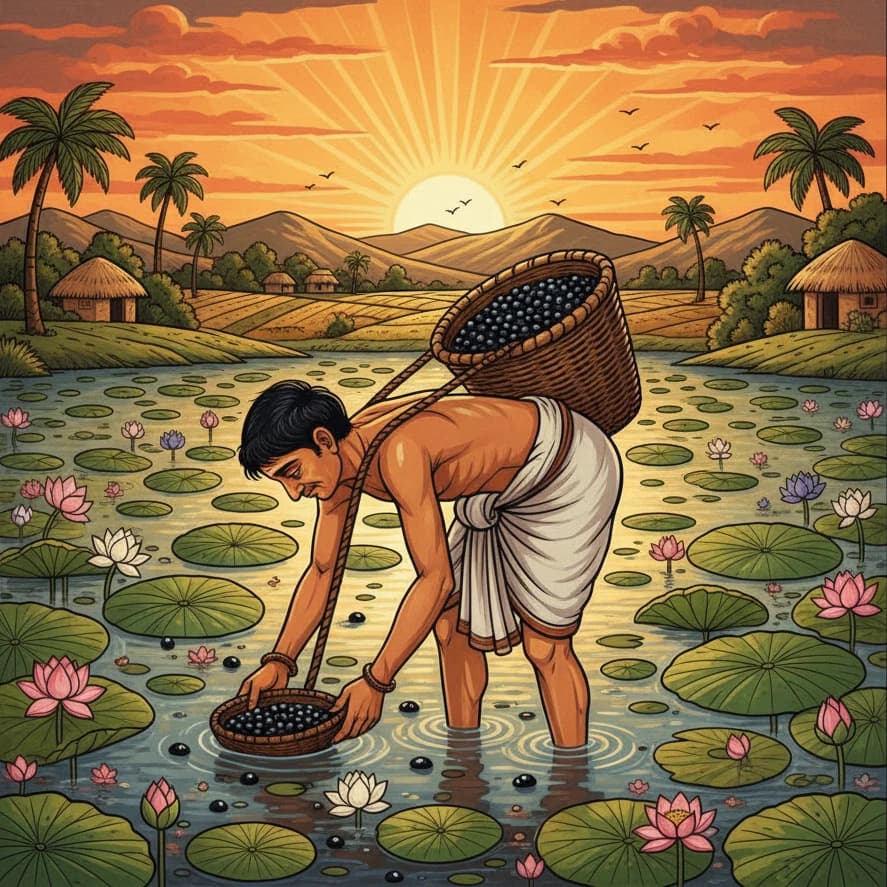
01
Harvesting
Makhana grows on a water lily rooted in the pond bed. There is no machine for this part. Divers work the shallow ponds of Mithila by feel, bringing seed pods up from the silt, load after load, right through the season.
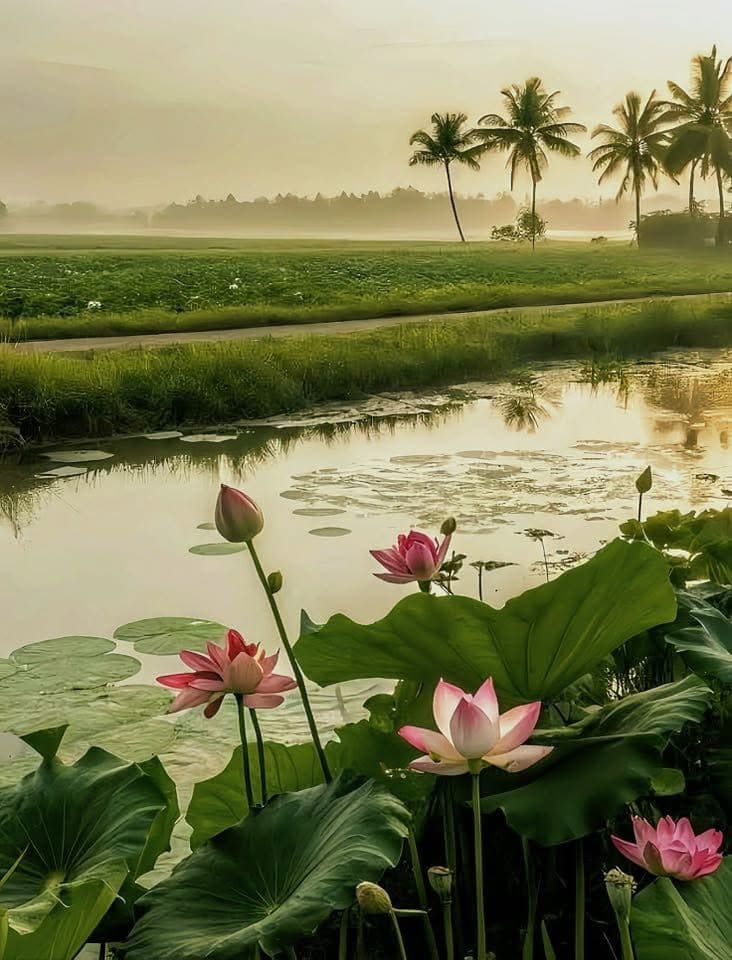
The process
Most people meet makhana in a bowl. Nine steps happen before that, and most of them are still done by hand.
01
Makhana grows on a water lily rooted in the pond bed. There is no machine for this part. Divers work the shallow ponds of Mithila by feel, bringing seed pods up from the silt, load after load, right through the season.
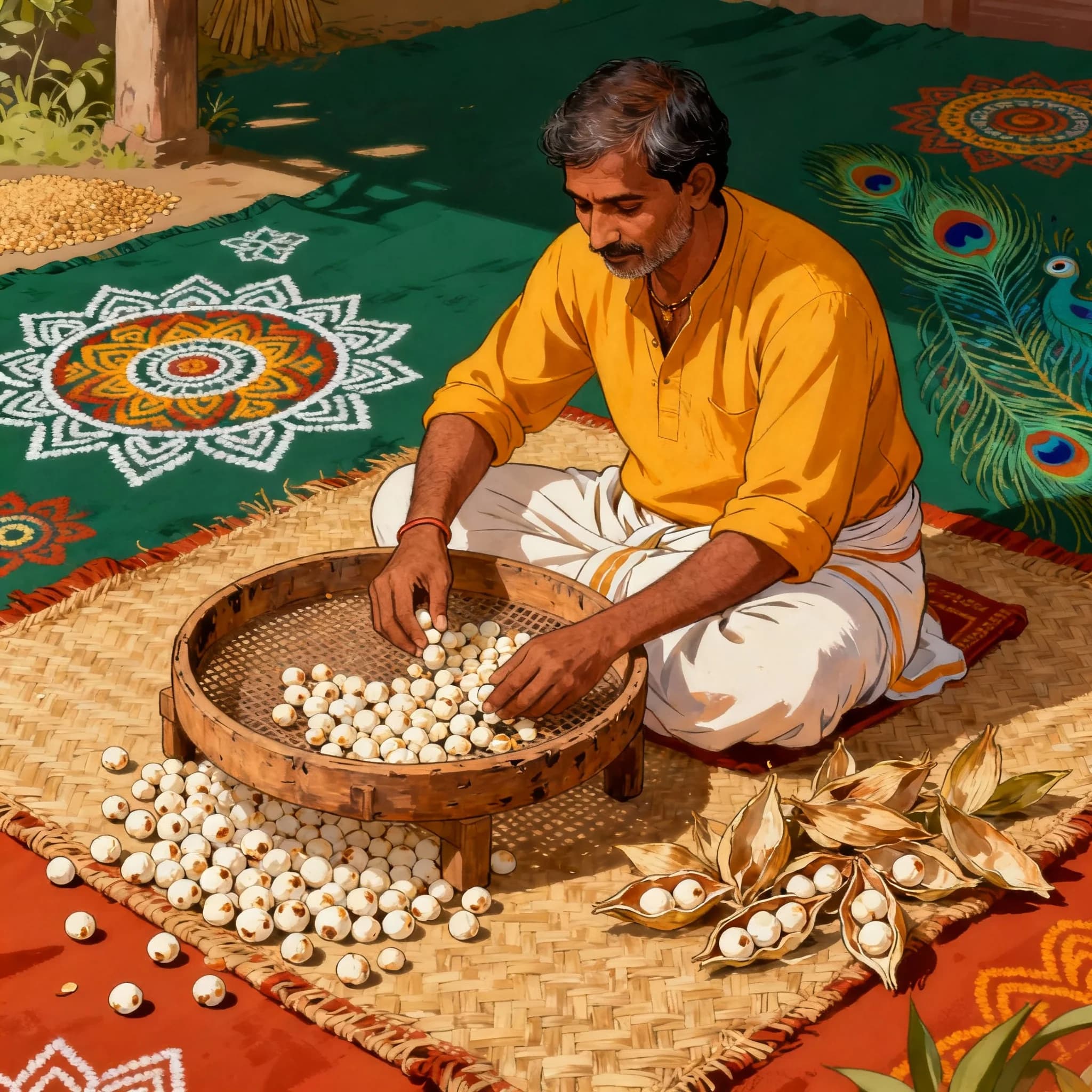
02
What comes up is not yet food. Each seed carries a tough outer covering that has to be stripped away before anything else can happen. Do this badly and every step after it suffers.

03
The edible kernel is worked free from the shell. It is slow, repetitive work, and it decides how much of the harvest survives to become a saleable product.
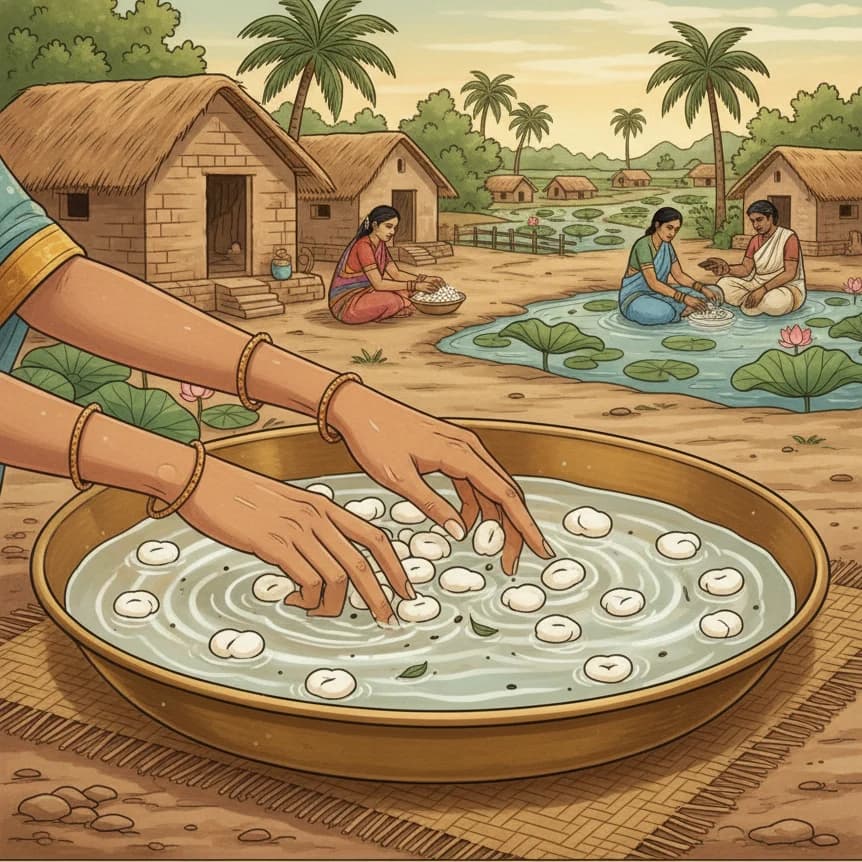
04
Pond silt clings to everything. Kernels are cleaned of grit and debris, then washed until the water runs clear. Nothing downstream can fix a batch that skipped this.
05
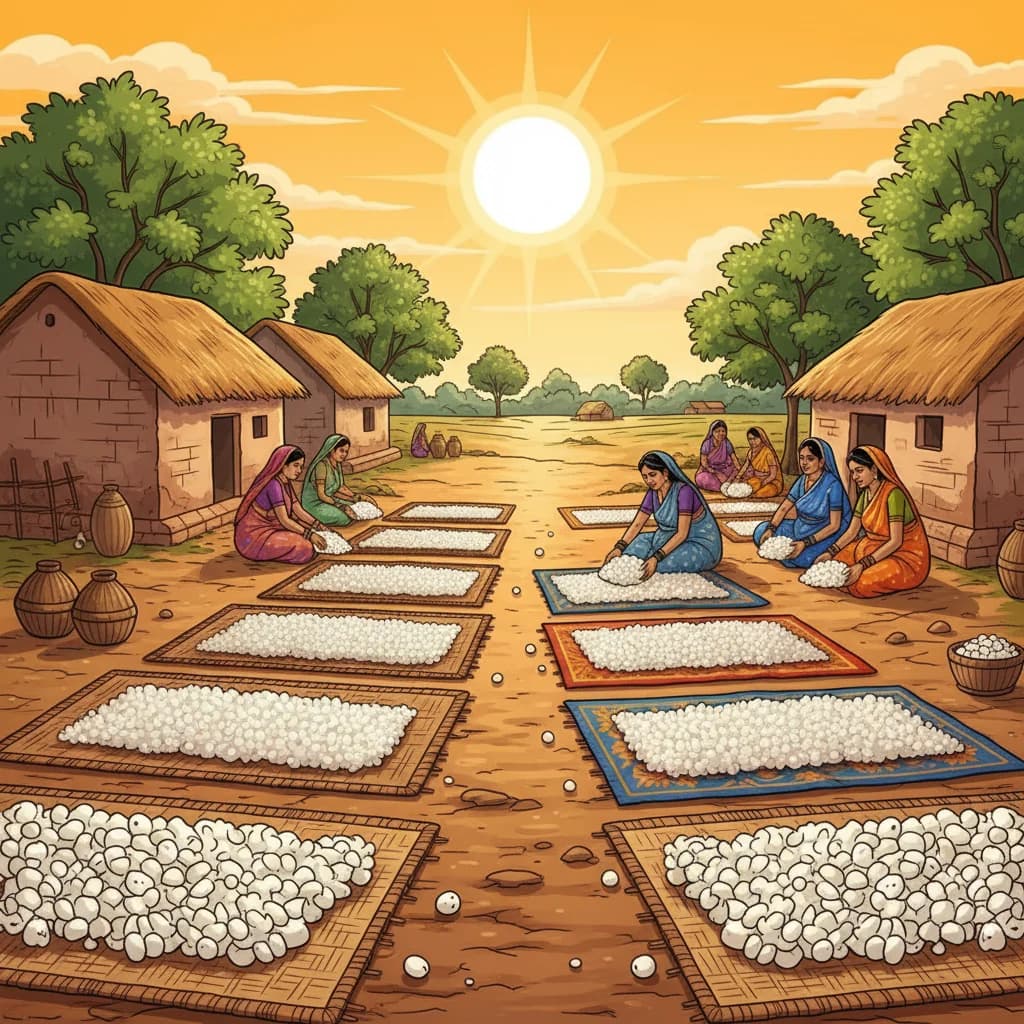
Washed kernels are spread out to dry under open sun. This is not just about removing water. It brings the moisture to the exact point where the seed will burst cleanly instead of scorching or staying shut.
06
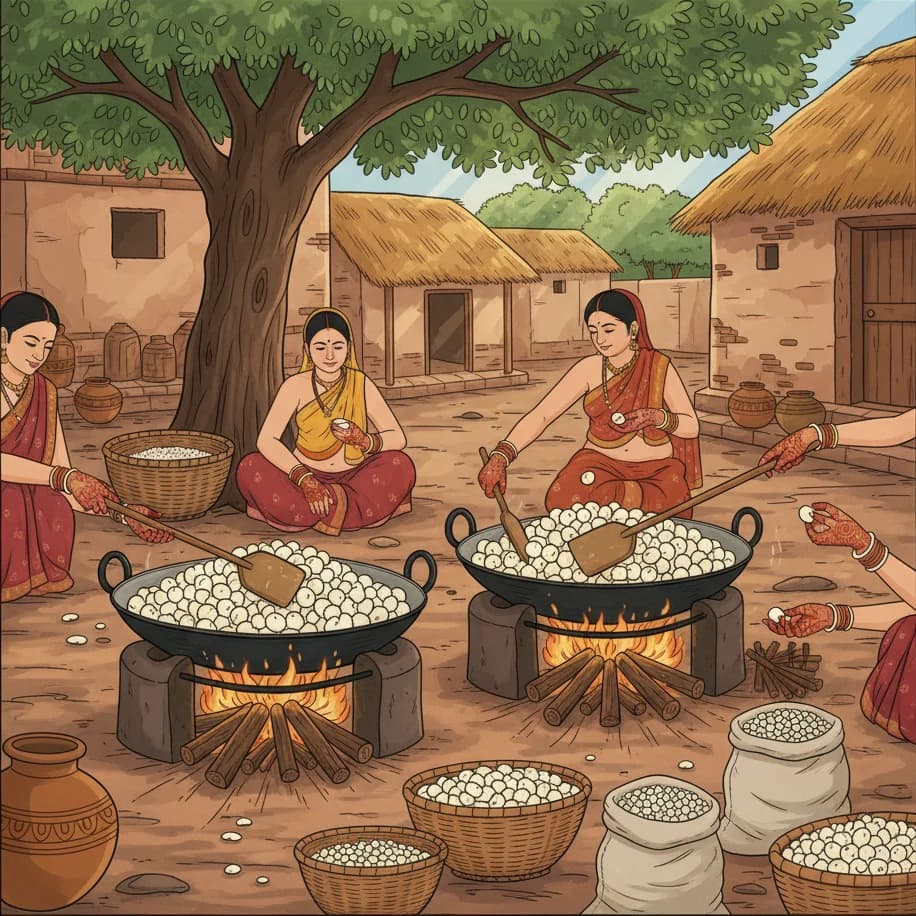
Dried seeds are sorted by size. Size dictates how a seed responds to heat, so a mixed batch pops unevenly. This is why grade matters and why the larger grades cost more.
07
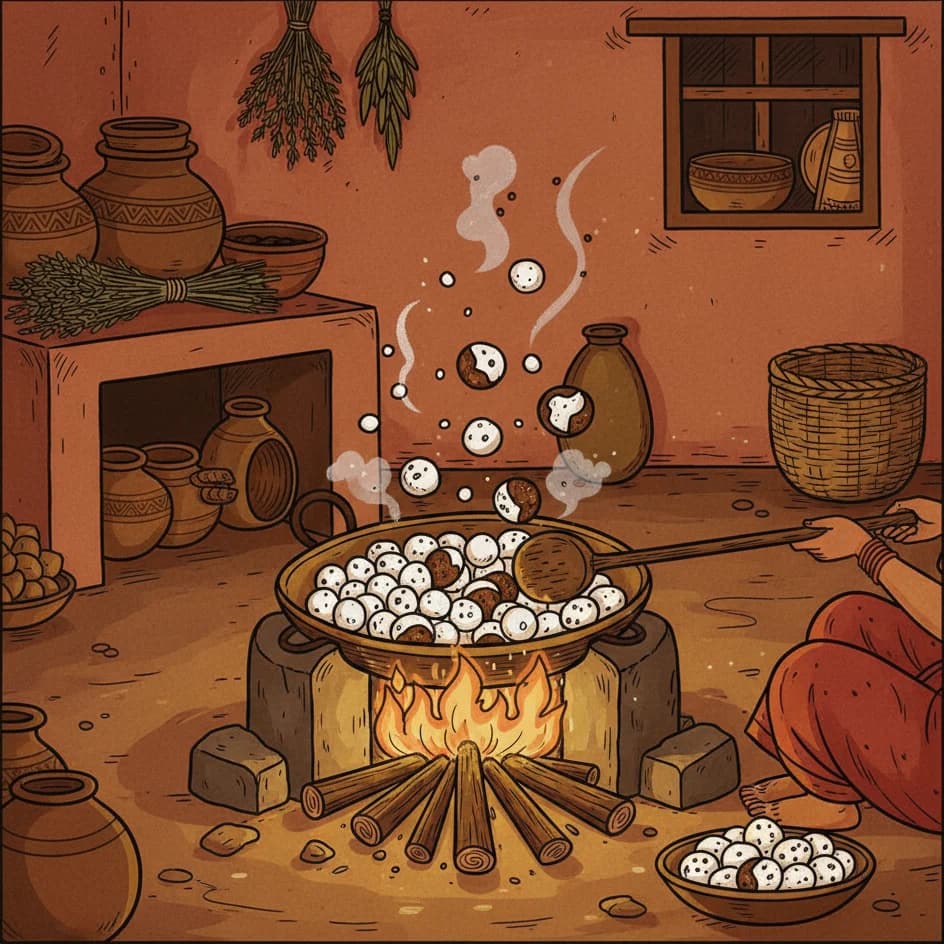
Seeds are warmed, then rested. The pause matters as much as the heat: it loosens the kernel inside its shell so that when full heat arrives, the seed is ready to give way.
08
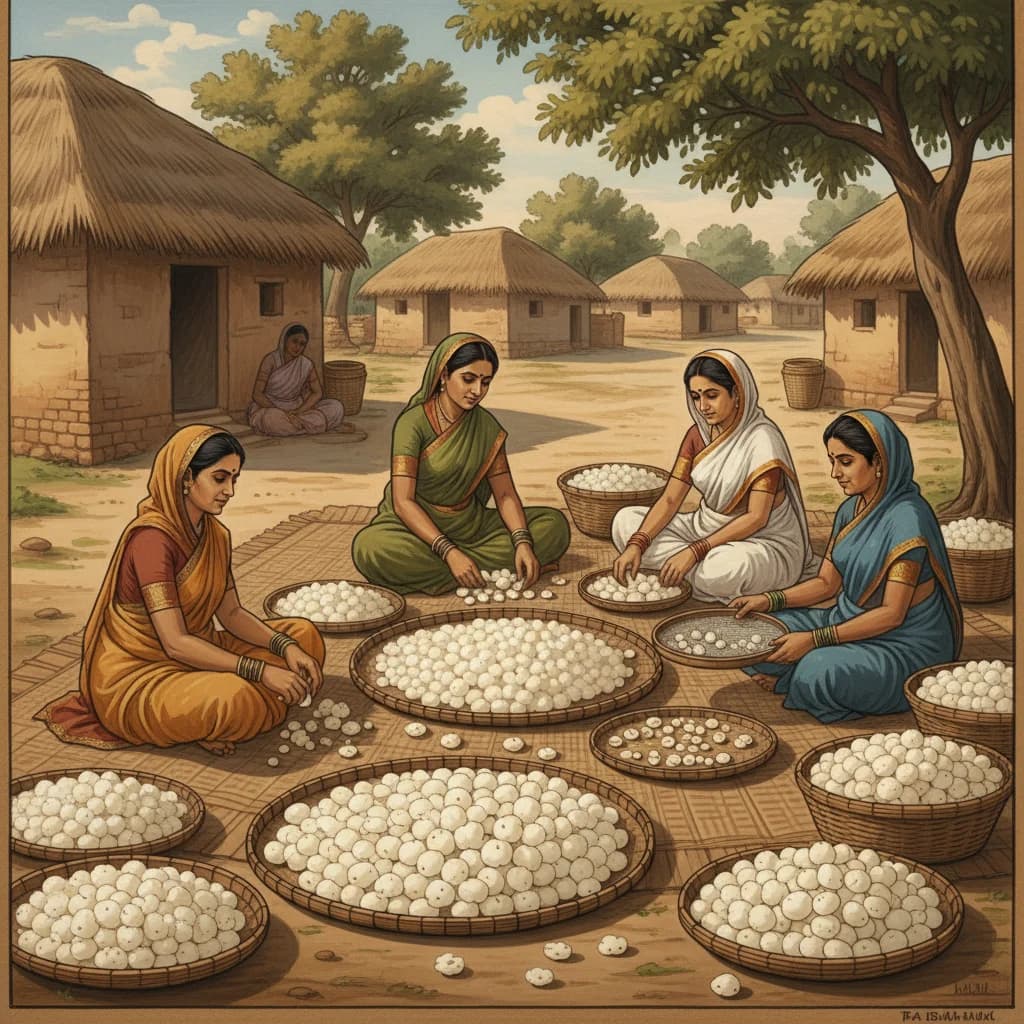
Full heat, and the shell fails. The kernel bursts out white and light, and in Mithila that pop is called lawa. The window is seconds wide. Early and it stays hard, late and it burns.
09
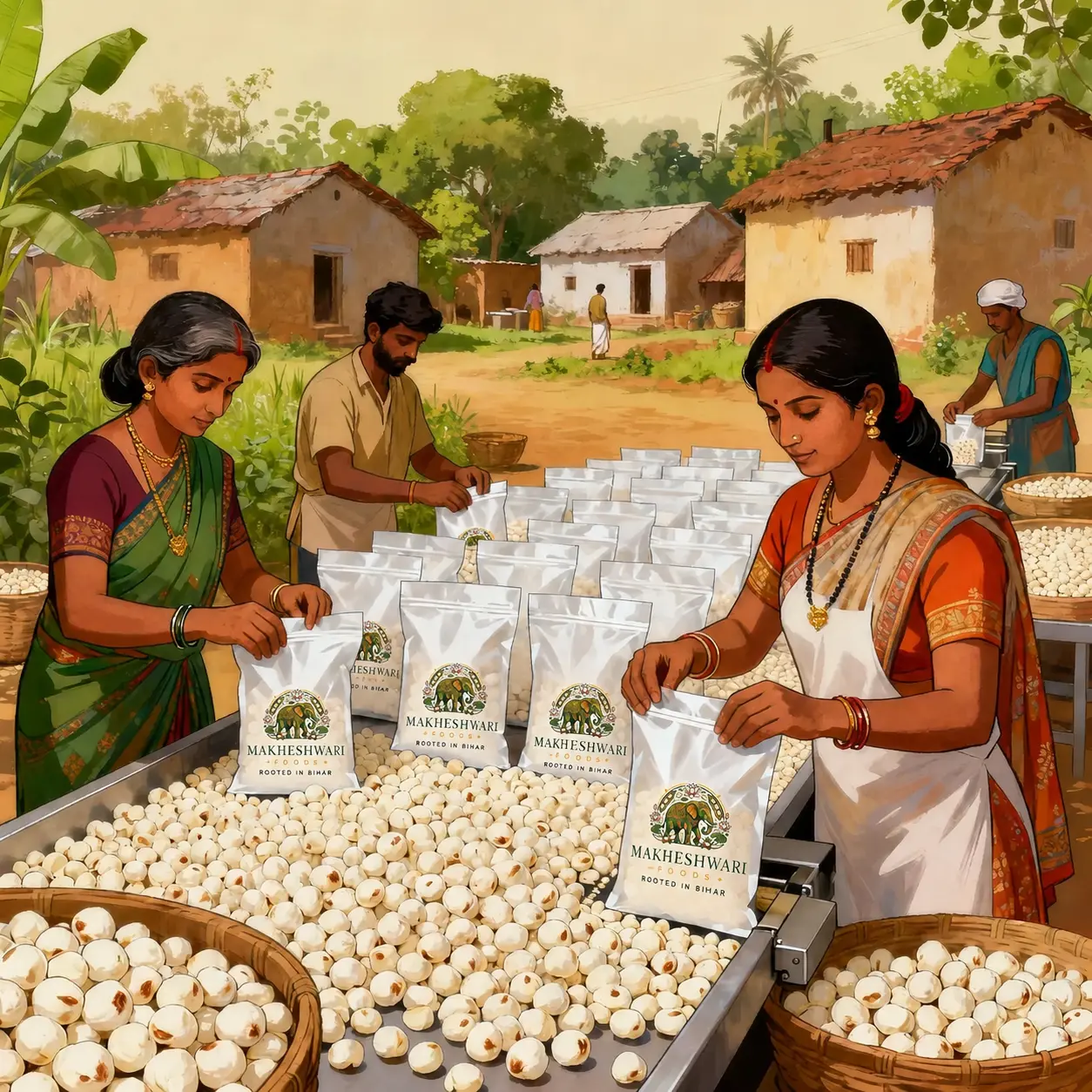
Lawa is checked for colour, size and uniformity, then roasted with seasoning and sealed the same day. Every pouch carries a date, because freshness is the one thing you cannot add back later.
Everything before that belongs to the pond, the season and the people who have been doing this in Mithila for generations.
Shop the range